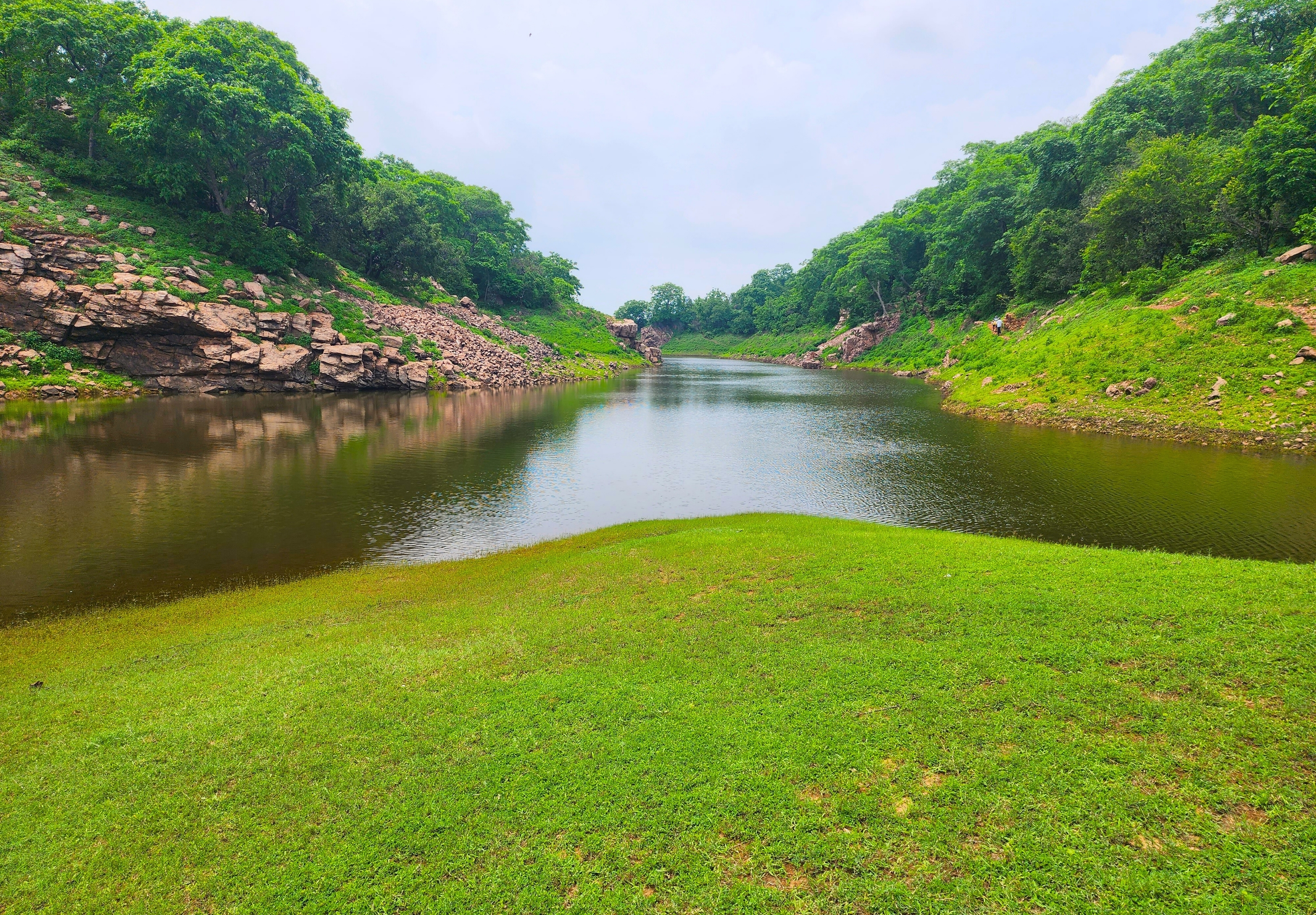
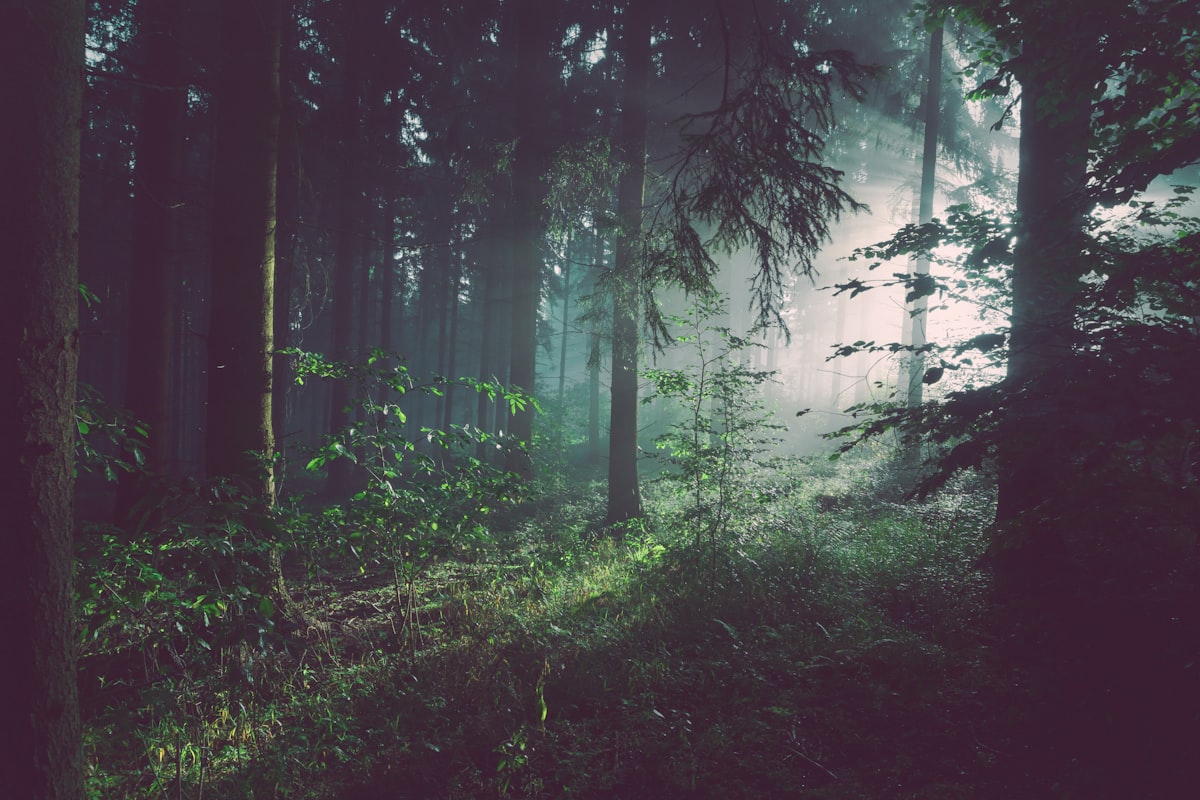
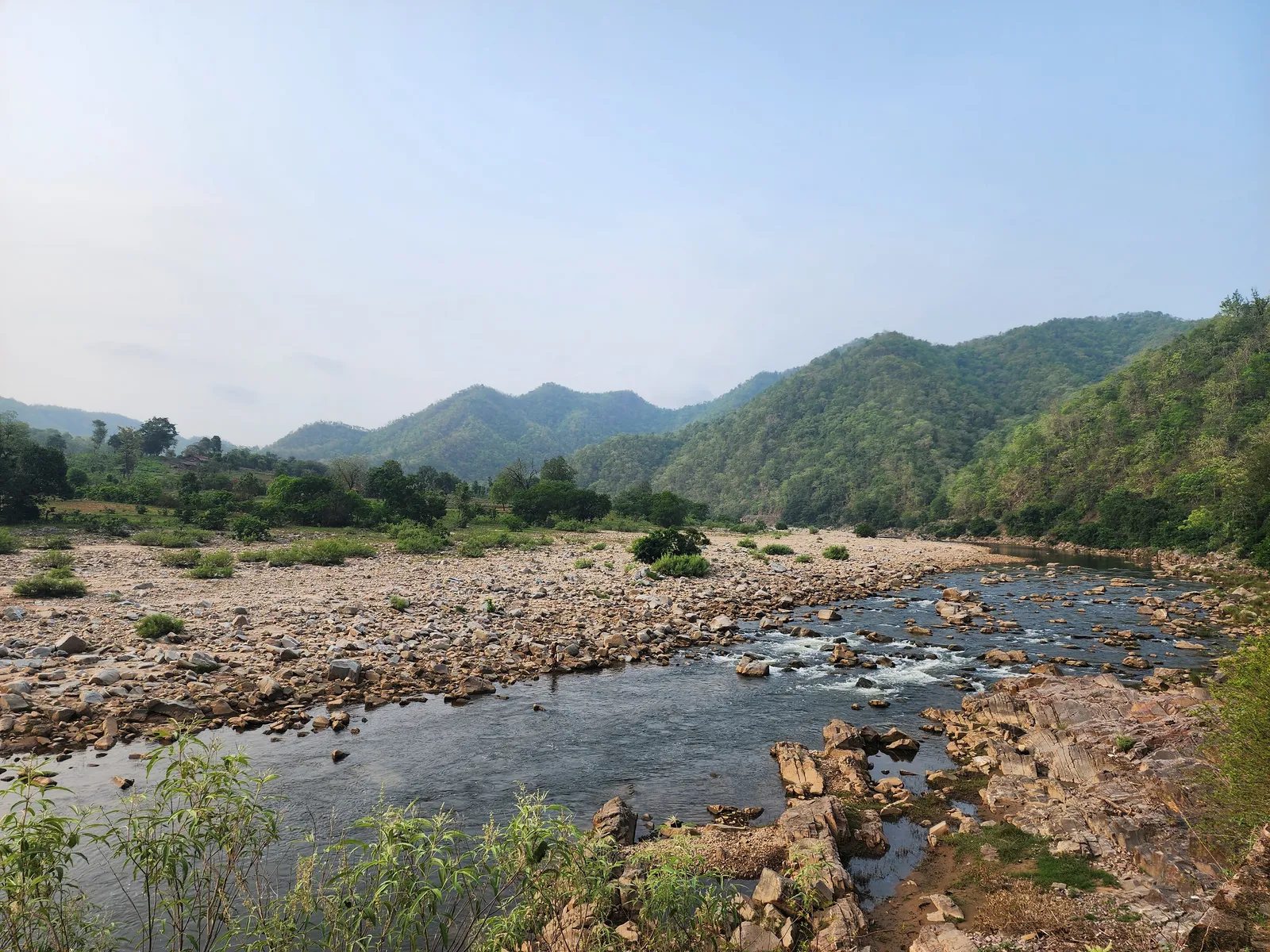
Misty valleys, boating lakes, ropeways and forest treks — a full guide to Saputara, the green hill station tucked in the Sahyadri range.
Sitting at about 1,000 metres in the Dang district, Saputara is Gujarat's only hill station — a cool, green retreat in the Western Ghats that feels a world away from the plains.
Top experiences
- Boating on the calm Saputara Lake
- The ropeway ride up to Sunset Point for valley views
- Trekking through the surrounding Sahyadri forest
- Visiting the Gira and Girmal waterfalls nearby (monsoon)
When to go
Monsoon and early winter are magical — the hills stay green and the waterfalls are full. Summer is pleasant too, escaping the Gujarat heat by several degrees.
Saputara proves you don't need to leave Gujarat to find mist, forests and a proper hill-station morning.
Best places to visit in Saputara
Saputara Lake
The centre of town — calm water, pedal and row boats, and the easiest evening walk in Saputara.
Sunset Point & ropeway
A short ropeway ride lifts you over the valley to the best sunset view in the hills.
Gira Waterfall
A wide, powerful fall near Waghai, about an hour away — at its best from July to September.
Girmal Waterfall
One of Gujarat's tallest falls, deeper inside the Dang forest and worth the extra drive in the rains.
Sahyadri forest trails
Gentle ridge and forest walks around the town — the reason most trekking camps are based here.
Things to do in Saputara
- Boat on Saputara Lake in the early evening
- Ride the ropeway up to Sunset Point
- Trek a Sahyadri ridge trail with a guide
- Chase the Gira and Girmal waterfalls in the monsoon
- Walk through the tribal museum and local artisan market
- Catch sunrise from the valley view points before the mist lifts
Best time to visit Saputara
Monsoon (July–September) and early winter (October–December) are the best windows — mist, green hills and full waterfalls. Summer stays several degrees cooler than the Gujarat plains, so it still works, but the falls run dry.
| Season | Months | Weather | Worth it? |
|---|---|---|---|
| Monsoon | July – September | Heavy rain, thick mist, 20–28°C | Best for waterfalls and green valleys |
| Early winter | October – December | Clear, cool mornings, 14–28°C | Best all-round window for trekking |
| Late winter | January – February | Cool and dry, 10–26°C | Good for views, waterfalls fading |
| Summer | March – June | Warm days, cooler than the plains, 22–36°C | Fine for a break from the heat, no falls |
Suggested Saputara itineraries
One-day plan (from Surat)
Only realistic from Surat or Nashik — Ahmedabad is too far for a same-day return.
- 5:30 AMDepart SuratBreakfast stop near Waghai on the way.
- 9:30 AMGira WaterfallStart with the falls while the light is still soft.
- 11:30 AMReach SaputaraLake area, boating and a walk around the town.
- 1:30 PMLunchLocal Gujarati or Maharashtrian thali.
- 3:00 PMRopeway & Sunset PointValley views before the crowd builds up.
- 5:30 PMStart the returnBack in Surat by around 9:30 PM.
Weekend plan — 2 days / 1 night
The standard Saputara weekend, and what most trekking camps follow.
- Day 1 AMDrive inReach by afternoon, check in and have lunch.
- Day 1 PMLake + ropewayBoating, then the ropeway up for sunset.
- Day 1 NightCamp / hotel eveningDinner, bonfire and an early night.
- Day 2 AMSunrise trekGuided ridge walk through the misty Sahyadri forest.
- Day 2 NoonWaterfalls on the way outGira and, if time allows, Girmal before the drive home.
How to reach Saputara from Ahmedabad
Where to stay in Saputara
Food and meals
Saputara has a small but reliable food scene — Gujarati and Maharashtrian thali, corn, bhajiya and hot tea at the lake stalls, and a few hotel restaurants for dinner. Options thin out sharply after 9 PM and around the waterfalls, so carry snacks and water on the drive.
Who should visit Saputara?
- Families who want hills without a long trek
- Couples and weekend travellers looking for mist and quiet
- First-time trekkers ready for gentle Sahyadri trails
- Monsoon photographers chasing waterfalls
Safety and local travel advice
- The last ghat section is winding — avoid driving it at night or in heavy rain.
- Waterfall rocks are extremely slippery in the monsoon; never enter the water above the marked areas.
- Leeches are common on monsoon forest trails — carry salt or repellent and cover your ankles.
- Weekend accommodation fills up fast in the monsoon; do not arrive without a booking.
- Network is patchy inside the Dang forest belt, so download offline maps before you leave.
Things to carry
- Warm layer for the evenings
- Rain jacket / poncho
- Grippy trekking shoes
- Quick-dry clothes
- Mosquito & leech repellent
- Power bank + torch
- Personal medicines
- Photo ID
Saputara Trips from Ahmedabad
 Weekend Camp
Saputara Trekking Camp
✦ 3 Days / 2 Nights Saputara Trekking Camp